
In an era where digital transformation is accelerating business operations across the globe, the importance of cybersecurity and data protection has never been more pronounced. For Chief Information Officers (CIOs) across Europe, navigating this complex landscape presents both opportunities and challenges. The rapidly changing threat environment, regulatory pressures, and the increasing reliance on data-driven decision-making all point to one critical question: are Organisations adequately equipped to protect their most valuable asset— their data?
Cybercriminals have evolved in both sophistication and intent. Phishing, ransomware, and zero-day exploits are only the tip of the iceberg. The rise of state-sponsored attacks, especially targeting critical infrastructure, has escalated the stakes for multi-national businesses especially. The SolarWinds breach and more recent attacks highlight the vulnerabilities in supply chains and third-party service providers, leaving even the most secure Organisations at risk.
For CIOs, the debate is focusing on whether current cybersecurity strategies are sufficient. Are we investing enough in proactive defence, threat intelligence, and cyber resilience? While new technologies like AI and machine learning offer potential to detect and respond to threats in real time, they come with challenges around scalability, cost, and whether there is a skills gap to use them efficiently.
Emerging Technologies: Friend or Foe?
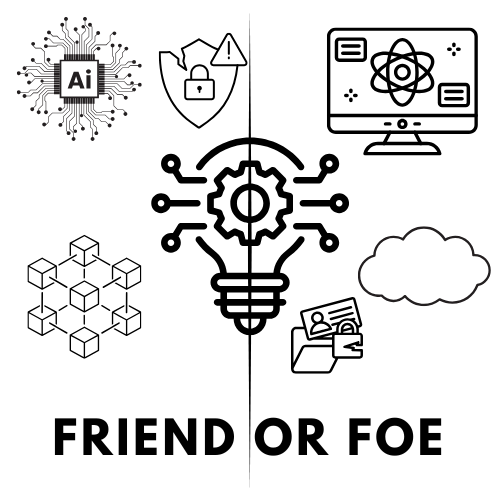
AI, blockchain, and quantum computing are poised to redefine how Organisations approach cybersecurity. However, they also introduce new, unknown risks. For instance, while blockchain offers enhanced data security through decentralisation, it is not immune to vulnerabilities, such as the 51% attack. Similarly, as quantum computing becomes more viable, it threatens to smash through the security systems we rely on today. Its ability to process such vast amounts of data, at previously unattainable speeds, means some of today’s strongest security controls simply won’t be secure enough and the threat is hovering closely.
For CIOs, the debate around emerging technologies revolves around their dual nature. How can we harness their power to bolster security while mitigating the risks they introduce? And more importantly, how do we create a future-proof cybersecurity framework when the technological landscape is changing so rapidly?
One of the most pressing challenges in cybersecurity today is the widening skills gap. CIOs are acutely aware that hiring, training, and retaining skilled cybersecurity professionals is becoming increasingly difficult. The demand for talent far outpaces the supply, with reports estimating a shortfall of over 200,000 cybersecurity professionals in Europe alone. Without the right expertise available to manage the process, even the most advanced technologies and policies fall short of offering comprehensive protection.
Conclusion: A Call for Collaboration and Innovation

The cybersecurity and data protection challenges facing Europe today demand more than just compliance and technology upgrades—they call for strategic thinking, innovation, and collaboration across sectors and borders. For CIOs, this means rethinking not just how they protect their Organisations today, but how they can build resilient, adaptable systems for tomorrow.
As we look toward the future, one thing is clear: the debate around cybersecurity and data protection is far from settled. What is needed is an open dialogue among CIOs, regulators, technologists, and business leaders to ensure that Europe remains at the forefront of both digital innovation and security.
So, where does your Organisation stand?
Are your current strategies enough to combat the ever-evolving threat landscape, or is it time to rethink the approach?